✵TCM herbalism is also known as the pharmaceutics of Traditional Chinese Medicine or Chinese pharmaceutics. It is the branch of health science dealing with the preparation, dispensing, and proper utilization of Chinese herbs. It is primarily composed of Introduction to Chinese Medicinals, Classification of Chinese Herbs, Formulas, and Patent Medicines.
Herbs Diuretics
Introduction: Herbs Diuretics: also known as damp-draining diuretic herbs, an agent or substance herbs that increases urine excretion and water discharge for treating internal retention of dampness. Damp-draining diuretic herbs mostly are neutral or slight cold in nature, sweet or tasteless in flavor, and could increase urine excretion, according to its differences on flavor and functions, Damp-draining diuretic herbs are mainly classified into several kinds: ①.edema-alleviating diuretic herbs, ②.stranguria-relieving diuretic herbs, and ③.damp-draining anti-icteric herbs.
Edema-alleviating diuretic herbs are an agent or substance that increases urine excretion for treating edema with oliguria, diarrhea, and retained fluid. Edema-alleviating diuretic herbs mostly are neutral or slightly cold in property, sweet or tasteless in flavor, have functions increases urine excretion, etc., and these herbs are mainly used for edema due to internal retention of water and dampness, difficult urination. Representative herbs of this kind are Poria (Fú Línɡ), Rhizoma Alismatic (Zé Xiè), and other herbs including Exocarpium Benincasae (Dōnɡ Guā Pí), Polyporus(Zhū Línɡ), Semen Phaseoli (Chì Xiǎo Dòu), Semen Coicis(Yì Yǐ Rén), Stigma Maydis (Yù Mǐ Xū), Pericarpium Lagenariae (Hú Lu), Gryllotalpa (Lóu Gū), Pericarpium Arecae (Dà Fù Pí), Fructus Liquidambaris (Lù Lù Tōnɡ), etc.
Stranguria-relieving diuretic herbs are an agent or substance that increases urine excretion and relieve stranguria, mainly indicated in the treatment of damp-heat in the lower energizer with painful discharge of urine. Stranguria-relieving diuretic herbs mostly are cold in property, bitter or sweet and tasteless in flavor, have functions purging dampness and heat in the lower energizer, prompt urine excretion and relieve stranguria, etc., and these herbs are mainly used for scanty red urine (oliguria and reddish urine), stranguria of different types, etc. Representative herbs of this kind are Semen Plantaginis (Chē Qián Zǐ), Herba Plantaginis (Chē Qián Cǎo), Talcumn (Huá Shí), and other herbs including Medulla Junci (Dēnɡ Xīn Cǎo), Fructus Malvae (Dōnɡ Kuí Guǒ), Herba Dianthi (Qú Mài), Herba Polygoni Avicularis (Biān Xù), Medulla Tetrapanacis (Tōnɡ Cǎo), Spora Lygodii (Hǎi Jīn Shā), Folium Pyrrosiae (Shí Wéi), Bì Xiè (Rhizoma Dioscoreae Septemlobae or Rhizoma Dioscoreae Hypoglaucae), Fructus Kochiae (Dì Fū Zǐ), etc.
Damp-draining anti-icteric herbs are an agent or substance that relieves various kinds of stranguria, including damp-heat stranguria and urolithiasia. Damp-draining anti-icteric herbs mostly are slight cold in property, bitter or sweet and tasteless in flavor, have functions purging heat and prompt urine excretion, normalizing gallbladder to relieve jaundice, etc., and these herbs are mainly used for jaundice with damp-heat pathogen, etc. Representative herbs of this kind are Herba Artemisiae Scophariae (Yīn Chén), and other herbs including Rhizoma Polygoni Cuspidati (Hǔ Zhànɡ), Herba Lysimachiae (Jīn Qián Cǎo), Herba Sedi (Chuí Pén Cǎo), Centella asiatica (Jī Xuě Cǎo), etc. Among above herbs, Centella asiatica (Jī Xuě Cǎo) is introduced in Popular Herbs.
✵Till January 1st, 2024, there are totally [29] kinds of common TCM herbs, [33] kinds of related plant species, [2] kinds of related fungus species, [2] kinds of related insect species, [1] kind of related mineral are recorded in this category. Edema-alleviating diuretic herbs are briefly introduced separately:
✵Till January 1st, 2024, there are totally [11] kinds of common TCM herbs, [9] kinds of related plant species, [2] kinds of related fungus species, [2] kinds of related insect species, are recorded in this category. Edema-alleviating diuretic herbs are briefly introduced separately:
Poria (Poria Cocos)
Brief Introduction:Poria is the dried sclerotium of the fungus Poria cocos (Schw.) Wolf. It is commonly used (1) as a diuretic for edema and oliguria, (2) to invigorate the Spleen in cases of anorexia and diarrhea, and (3) to calm the mind and alleviate palpitations and insomnia. It is also known as Poria, Poria cocos, Fú Línɡ, hoelen, tuckahoe, or China root.
Polyporus (Chuling, Umbellate Polypore)
Brief Introduction:Polyporus is the dried sclerotium of the fungus Polyporus umbellatus (Pers.) Fr. (family Polyporaceae). It is used clinically as a diuretic for edema and oliguria, and to resolve dampness in cases of leukorrhea. Common vernacular names include Polyporus, Chuling, Umbellate Polypore, Agaric, and Zhū Línɡ.
Rhizoma Alismatic (Water-plantain Rhizome)
Brief Introduction:Rhizoma Alismatis is the dried tuber of Alisma orientale (Sam.) Juz. It is used (1) to promote diuresis in oliguria and edema; (2) to drain dampness in diarrhea and leukorrhea; and (3) to clear heat in bladder damp-heat syndrome. It is commonly known as Rhizoma Alismatis, Water-plantain Rhizome, or Zé Xiè.
Exocarpium Benincasae (Chinese Wax-gourd Peel)
Brief Introduction:Exocarpium Benincasae is the dried exocarp of Benincasa hispida (Thunb.) Cogn. It is used to promote diuresis in oliguria and edema. It is commonly known as Exocarpium Benincasae, Chinese Wax-gourd Peel, or Dōnɡ Guā Pí.
Semen Phaseoli (Rice Bean)
Brief Introduction:Semen Phaseoli is the dried, ripe seed of Phaseolus calcaratus Roxb. or Phaseolus angularis Wight. It promotes diuresis, detoxifies, and facilitates pus drainage in cases of boils, sores, and abscesses. It is commonly known as Semen Phaseoli, Rice Bean, or Chì Xiǎo Dòu.
Semen Coicis (Coix Seed, Job's-tear Seed)
Brief Introduction:Semen Coicis is the dried, ripe kernel obtained by removing the hard husk and seed coat of Coix lacryma-jobi L. var. ma-yuen (Romanet) Stapf. It is used: (1) to strengthen the spleen and resolve dampness for diarrhea and edema; (2) to clear heat and discharge pus in lung abscess and acute appendicitis; and (3) to treat verruca plana. Common names include Semen Coicis, Coix Seed, Job’s-tear Seed, and Yì Yǐ Rén.
Stigma Maydis (Corn Stigma)
Brief Introduction: The herb Stigma maydis consists of the dried styles and stigmas of Zea mays L. It is used (1) to induce diuresis in the treatment of edema, (2) to promote bile secretion in cases of jaundice, and (3) to lower blood pressure in hypertension. It is commonly known as Stigma maydis, Corn Stigma, or Yù Mǐ Xū.
Pericarpium Lagenariae (Calabash Gourd)
Brief Introduction: The herb Pericarpium lagenariae consists of the dried pericarp of Lagenaria siceraria (Molina) Standl. It acts as a diuretic for treating severe edema and ascites. It is commonly known as Pericarpium lagenariae, Calabash Gourd, or Hú Lú.
Gryllotalpa (Mole Cricket)
Brief Introduction: The herb Gryllotalpa is the dried whole body of Gryllotalpa unispina Saussure or Gryllotalpa africana Palisot et Beauvois, used as a diuretic for treating severe edema, ascites, and urinary retention. It is commonly known as Gryllotalpa, Mole Cricket, Chinese Mole Cricket, African Mole Cricket, or Lóu Gū.
Pericarpium Arecae (Areca Peel)
Brief Introduction:Pericarpium Arecae is the dried pericarp of Areca catechu L., used to promote diuresis and regulate stagnant Qi to relieve abdominal distension and edema. It is commonly known as Pericarpium Arecae, Areca Peel, or Dà Fù Pí.
Fructus Liquidambaris (Beautiful Sweetgum Fruit)
Brief Introduction:Fructus Liquidambaris is the dried, mature, strobile-like infructescence of Liquidambar formosana Hance., used to (1) promote diuresis for edema, (2) dispel wind-damp in arthralgia, and (3) regulate menstruation in amenorrhea. It is commonly known as Fructus Liquidambaris, Beautiful Sweetgum Fruit, or Lù Lù Tōnɡ.
✵Till January 1st, 2024, there are totally [13] kinds of common TCM herbs, [19] kinds of related plant species, [1] kind of related mineral are recorded in this category. Stranguria-relieving diuretic herbs are briefly introduced separately:
Semen Plantaginis (Plantain Seed)
Brief Introduction:Semen Plantaginis is the dried, ripe seed of Plantago asiatica L. or Plantago depressa Willd. It is used (1) to promote diuresis and drain dampness—treating watery diarrhea, edema, and dysuria; (2) to clear liver heat and improve vision in ocular disorders; and (3) to clear lung heat and resolve phlegm in cough with excessive sputum. It is commonly known as Semen Plantaginis, Plantain Seed, or Chē Qián Zǐ.
Herba Plantaginis (Plantain Herb)
Brief Introduction:Herba Plantaginis is the dried whole plant of Plantago asiatica L. or Plantago depressa Willd. It is used (1) to promote diuresis in cases of edema, oliguria, and stranguria, and (2) to clear heat and detoxify in cases of sores, carbuncles, dysentery, and acute pulmonary or urinary tract infections. The herb is commonly known as Herba Plantaginis, Plantain Herb, or Chē Qián Cǎo.
Talcumn (Talc)
Brief Introduction: The herb Talc is a very soft mineral composed mainly of hydrous magnesium silicate. It is used to promote diuresis, clear summer-heat, and dispel dampness in the treatment of summer-related disorders, watery diarrhea, oliguria, and urinary tract infections; it is also applied externally for eczema and miliaria. The herb is commonly known as Talc, Talcum, or Huá Shí.
Medulla Junci (Common Rush)
Brief Introduction: The herb Medulla Junci is the dried pith of Juncus effusus L. It is used (1) to promote diuresis in the treatment of heat-induced dysuria and (2) to calm the mind and relieve restlessness and insomnia. The herb is commonly known as Medulla Junci, Common Rush, or Dēnɡ Xīn Cǎo.
Fructus Malvae (Cluster Mallow Fruit)
Brief Introduction: The herb Fructus Malvae is the dried ripe fruit of Malva verticillata L. It is used to clear heat and promote diuresis in the treatment of dysuria, oliguria, and edema. The herb is commonly known as Fructus Malvae, Cluster Mallow Fruit, or Dōnɡ Kuí Guǒ.
Herba Polygoni Avicularis (Common Knotgrass Herb)
Brief Introduction:Herba Polygoni Avicularis is the dried aerial part of Polygonum aviculare L. It is used (1) to promote diuresis and eliminate damp-heat in cases of stranguria with turbid urine and morbid leukorrhea, and (2) to dispel wind-damp in cases of arthralgia. The herb is commonly known as Herba Polygoni Avicularis, Common Knotgrass Herb, or Biān Xù.
Herba Dianthi (Liliac Pink Herb)
Brief Introduction:Herba Dianthi is the dried aerial part of Dianthus superbus L. or Dianthus chinensis L., used to (1) promote diuresis and eliminate damp-heat for treating heat stranguria and blood stranguria, and (2) act as an emmenagogue for amenorrhea. It is commonly known as Herba Dianthi, Lilac Pink Herb, or Qú Mài.
Medulla Tetrapanacis (Ricepaper-plant Pith)
Brief Introduction:Medulla Tetrapanacis is the dried stem pith of Tetrapanax papyriferus (Hook.) K. Koch. (family Araliaceae), used (1) to clear heat and drain dampness in cases of stranguria and oliguria, and (2) to promote lactation in cases of insufficient milk secretion. It is commonly known as Rice Paper Plant Pith, Medulla Tetrapanacis, or Tōnɡ Cǎo.
Spora Lygodii (Hai Jin Sha)
Brief Introduction:Spora Lygodii consists of the spores of Lygodium japonicum (Thunb.) Sw. It is used to eliminate damp-heat and act as a lithagogue, primarily for treating bladder damp-heat and urinary calculi. It is commonly known as Spora Lygodii or Hǎi Jīn Shā.
Folium Pyrrosiae (Shearer's Pyrrosia Leaf)
Brief Introduction:Folium Pyrrosiae consists of the dried leaves of Pyrrosia sheareri (Bak.) Ching, Pyrrosia lingua (Thunb.) Farwell, or Pyrrosia petiolosa (Christ) Ching. It is used (1) to promote diuresis and relieve dysuria in cases of bladder damp-heat, and (2) to clear lung heat and alleviate cough and dyspnea. It is commonly known as Pyrrosia Leaf, Folium Pyrrosiae, Shearer’s Pyrrosia Leaf, or Shí Wéi.
Brief Introduction:Rhizoma Dioscoreae Septemlobae is the dried rhizome of Dioscorea septemloba Thunb. or Dioscorea futschauensis Uline. It is used (1) to drain damp-turbidity in conditions such as chyluria and stranguria with turbid urine, and (2) to dispel wind-damp in rheumatic arthralgia. Common names include Rhizoma Dioscoreae Septemlobae, Seven-lobed Yam Rhizome, Severely lobed Yam Rhizome, and Mián Bì Xiè.
Brief Introduction:Rhizoma Dioscoreae Hypoglaucae is the dried rhizome of Dioscorea hypoglauca Palib. Its clinical applications are similar to those of Rhizoma Dioscoreae Septemlobae. Common names include Rhizoma Dioscoreae Hypoglaucae, Hypoglaucous Yam Rhizome, and Fěn Bì Xiè.
Fructus Kochiae (Belvedere Fruit)
Brief Introduction:Fructus Kochiae is the dried, ripe fruit of Kochia scoparia (L.) Schrad. It is used to clear damp-heat—particularly in cases of bladder damp-heat with stranguria—and to relieve itching in urticaria, eczema, and pruritus. Common names include Fructus Kochiae, Belvedere Fruit, and Dì Fū Zǐ.
✵Till January 1st, 2024, there are totally [4] kinds of common TCM herbs, [5] kinds of related plant species, are recorded in this category. Damp-draining anti-icteric herbs are briefly introduced separately:
Brief Introduction:Herba Artemisiae Scopariae is the dried young shoot or flowering top of Artemisia scoparia Waldst. et Kit. or Artemisia capillaris Thunb., used to eliminate damp-heat in the liver and gallbladder for the treatment of jaundice and eczema. The herb is commonly known as Herba Artemisiae Scopariae, Virgate Wormwood Herb, or Yīn Chén.
Herba Sedi (Stringy Stonecrop Herb)
Brief Introduction: The herb Herba Sedi is the fresh or dried entire plant of Sedum sarmentosum Bunge (family Crassulaceae), used to remove damp-heat and counteract toxins for the treatment of acute and chronic hepatitis, jaundice, boils, and sores. The herb is commonly known as Herba Sedi, Stringy Stonecrop Herb, Chuí Pén Cǎo.
Herba Lysimachiae (Christina Loosetrife)
Brief Introduction: The herb Herba Lysimachiae is the dried entire plant of Lysimachia christinae Hance (family Primulaceae), used (1).as a cholagogue, lithagogue, and diuretic for the treatment of acute jaundice, biliary and urinary calculi, and (2).to relieve toxicity and reduce swelling in cases of boils and venomous snake-bite. The herb is commonly known as Herba Lysimachiae, Christina Loosetrife, Jīn Qián Cǎo.
Brief Introduction: The herb Rhizoma Polygoni Cuspidati is the dried rhizome of giant knotweed, Polygonum cuspidatum Sieb.et Zucc (family Polygonaceae), used (1).to clear heat, counteract toxins, and promote bile flow in cases of hepatitis, jaundice, dysentery, bladder damp-heat, and lung heat with cough, (2).to activate blood and remove stasis for treating amenorrhea and traumatic injuries, and (3).externally for burns and venomous snake-bite. The herb is commonly known as Rhizoma Polygoni Cuspidati, Giant Knotweed Rhizome, Hǔ Zhànɡ.

 ✵TCM herbalism is also known as the pharmaceutics of Traditional Chinese Medicine or Chinese pharmaceutics. It is the branch of health science dealing with the preparation, dispensing, and proper utilization of Chinese herbs. It is primarily composed of Introduction to Chinese Medicinals, Classification of Chinese Herbs, Formulas, and Patent Medicines.
 Introduction: Herbs Diuretics: also known as damp-draining diuretic herbs, an agent or substance herbs that increases urine excretion and water discharge for treating internal retention of dampness. Damp-draining diuretic herbs mostly are neutral or slight cold in nature, sweet or tasteless in flavor, and could increase urine excretion, according to its differences on flavor and functions, Damp-draining diuretic herbs are mainly classified into several kinds: ①.edema-alleviating diuretic herbs, ②.stranguria-relieving diuretic herbs, and ③.damp-draining anti-icteric herbs.
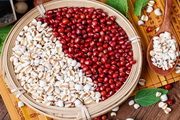 Introduction: Edema-alleviating diuretic herbs are known including:Poria (Poria Cocos), Polyporus (Chuling,Umbellate Polypore), Rhizoma Alismatic (Water-plantain Rhizome), Exocarpium Benincasae (Chinese Wax-gourd Peel), Semen Phaseoli (Rice Bean), Semen Coicis (Coix Seed,Job's-tear Seed), Stigma Maydis (Corn Stigma), Pericarpium Lagenariae (Calabash Gourd), Gryllotalpa (Mole Cricket), Pericarpium Arecae (Areca Peel), Fructus Liquidambaris (Beautiful Sweetgum Fruit), etc.
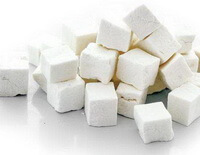 Brief Introduction: Poria is the dried sclerotium of the fungus Poria cocos (Schw.) Wolf. It is commonly used (1) as a diuretic for edema and oliguria, (2) to invigorate the Spleen in cases of anorexia and diarrhea, and (3) to calm the mind and alleviate palpitations and insomnia. It is also known as Poria, Poria cocos, Fú Línɡ, hoelen, tuckahoe, or China root.
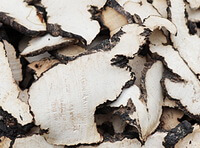 Brief Introduction: Polyporus is the dried sclerotium of the fungus Polyporus umbellatus (Pers.) Fr. (family Polyporaceae). It is used clinically as a diuretic for edema and oliguria, and to resolve dampness in cases of leukorrhea. Common vernacular names include Polyporus, Chuling, Umbellate Polypore, Agaric, and Zhū Línɡ.
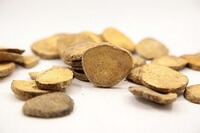 Brief Introduction: Rhizoma Alismatis is the dried tuber of Alisma orientale (Sam.) Juz. It is used (1) to promote diuresis in oliguria and edema; (2) to drain dampness in diarrhea and leukorrhea; and (3) to clear heat in bladder damp-heat syndrome. It is commonly known as Rhizoma Alismatis, Water-plantain Rhizome, or Zé Xiè.
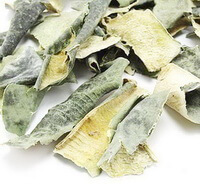 Brief Introduction: Exocarpium Benincasae is the dried exocarp of Benincasa hispida (Thunb.) Cogn. It is used to promote diuresis in oliguria and edema. It is commonly known as Exocarpium Benincasae, Chinese Wax-gourd Peel, or Dōnɡ Guā Pí.
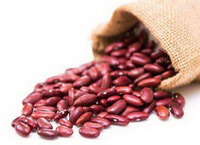 Brief Introduction: Semen Phaseoli is the dried, ripe seed of Phaseolus calcaratus Roxb. or Phaseolus angularis Wight. It promotes diuresis, detoxifies, and facilitates pus drainage in cases of boils, sores, and abscesses. It is commonly known as Semen Phaseoli, Rice Bean, or Chì Xiǎo Dòu.
 Brief Introduction: Semen Coicis is the dried, ripe kernel obtained by removing the hard husk and seed coat of Coix lacryma-jobi L. var. ma-yuen (Romanet) Stapf. It is used: (1) to strengthen the spleen and resolve dampness for diarrhea and edema; (2) to clear heat and discharge pus in lung abscess and acute appendicitis; and (3) to treat verruca plana. Common names include Semen Coicis, Coix Seed, Job’s-tear Seed, and Yì Yǐ Rén.
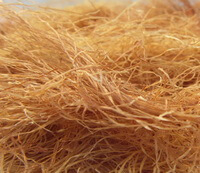 Brief Introduction: The herb Stigma maydis consists of the dried styles and stigmas of Zea mays L. It is used (1) to induce diuresis in the treatment of edema, (2) to promote bile secretion in cases of jaundice, and (3) to lower blood pressure in hypertension. It is commonly known as Stigma maydis, Corn Stigma, or Yù Mǐ Xū.
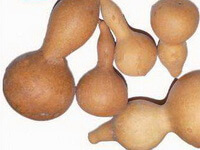 Brief Introduction: The herb Pericarpium lagenariae consists of the dried pericarp of Lagenaria siceraria (Molina) Standl. It acts as a diuretic for treating severe edema and ascites. It is commonly known as Pericarpium lagenariae, Calabash Gourd, or Hú Lú.
 Brief Introduction: The herb Gryllotalpa is the dried whole body of Gryllotalpa unispina Saussure or Gryllotalpa africana Palisot et Beauvois, used as a diuretic for treating severe edema, ascites, and urinary retention. It is commonly known as Gryllotalpa, Mole Cricket, Chinese Mole Cricket, African Mole Cricket, or Lóu Gū.
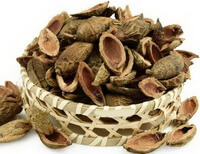 Brief Introduction: Pericarpium Arecae is the dried pericarp of Areca catechu L., used to promote diuresis and regulate stagnant Qi to relieve abdominal distension and edema. It is commonly known as Pericarpium Arecae, Areca Peel, or Dà Fù Pí.
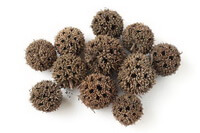 Brief Introduction: Fructus Liquidambaris is the dried, mature, strobile-like infructescence of Liquidambar formosana Hance., used to (1) promote diuresis for edema, (2) dispel wind-damp in arthralgia, and (3) regulate menstruation in amenorrhea. It is commonly known as Fructus Liquidambaris, Beautiful Sweetgum Fruit, or Lù Lù Tōnɡ.
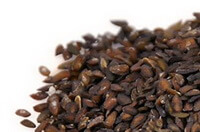 Brief Introduction: Semen Plantaginis is the dried, ripe seed of Plantago asiatica L. or Plantago depressa Willd. It is used (1) to promote diuresis and drain dampness—treating watery diarrhea, edema, and dysuria; (2) to clear liver heat and improve vision in ocular disorders; and (3) to clear lung heat and resolve phlegm in cough with excessive sputum. It is commonly known as Semen Plantaginis, Plantain Seed, or Chē Qián Zǐ.
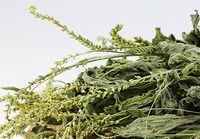 Brief Introduction: Herba Plantaginis is the dried whole plant of Plantago asiatica L. or Plantago depressa Willd. It is used (1) to promote diuresis in cases of edema, oliguria, and stranguria, and (2) to clear heat and detoxify in cases of sores, carbuncles, dysentery, and acute pulmonary or urinary tract infections. The herb is commonly known as Herba Plantaginis, Plantain Herb, or Chē Qián Cǎo.
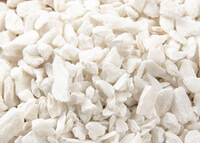 Brief Introduction: The herb Talc is a very soft mineral composed mainly of hydrous magnesium silicate. It is used to promote diuresis, clear summer-heat, and dispel dampness in the treatment of summer-related disorders, watery diarrhea, oliguria, and urinary tract infections; it is also applied externally for eczema and miliaria. The herb is commonly known as Talc, Talcum, or Huá Shí.
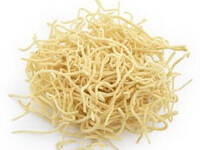 Brief Introduction: The herb Medulla Junci is the dried pith of Juncus effusus L. It is used (1) to promote diuresis in the treatment of heat-induced dysuria and (2) to calm the mind and relieve restlessness and insomnia. The herb is commonly known as Medulla Junci, Common Rush, or Dēnɡ Xīn Cǎo.
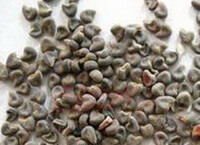 Brief Introduction: The herb Fructus Malvae is the dried ripe fruit of Malva verticillata L. It is used to clear heat and promote diuresis in the treatment of dysuria, oliguria, and edema. The herb is commonly known as Fructus Malvae, Cluster Mallow Fruit, or Dōnɡ Kuí Guǒ.
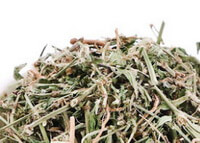 Brief Introduction: Herba Polygoni Avicularis is the dried aerial part of Polygonum aviculare L. It is used (1) to promote diuresis and eliminate damp-heat in cases of stranguria with turbid urine and morbid leukorrhea, and (2) to dispel wind-damp in cases of arthralgia. The herb is commonly known as Herba Polygoni Avicularis, Common Knotgrass Herb, or Biān Xù.
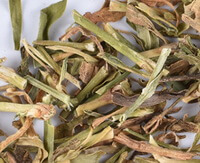 Brief Introduction: Herba Dianthi is the dried aerial part of Dianthus superbus L. or Dianthus chinensis L., used to (1) promote diuresis and eliminate damp-heat for treating heat stranguria and blood stranguria, and (2) act as an emmenagogue for amenorrhea. It is commonly known as Herba Dianthi, Lilac Pink Herb, or Qú Mài.
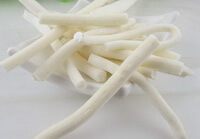 Brief Introduction: Medulla Tetrapanacis is the dried stem pith of Tetrapanax papyriferus (Hook.) K. Koch. (family Araliaceae), used (1) to clear heat and drain dampness in cases of stranguria and oliguria, and (2) to promote lactation in cases of insufficient milk secretion. It is commonly known as Rice Paper Plant Pith, Medulla Tetrapanacis, or Tōnɡ Cǎo.
 Brief Introduction: Spora Lygodii consists of the spores of Lygodium japonicum (Thunb.) Sw. It is used to eliminate damp-heat and act as a lithagogue, primarily for treating bladder damp-heat and urinary calculi. It is commonly known as Spora Lygodii or Hǎi Jīn Shā.
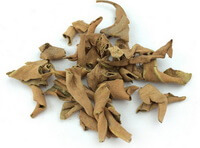 Brief Introduction: Folium Pyrrosiae consists of the dried leaves of Pyrrosia sheareri (Bak.) Ching, Pyrrosia lingua (Thunb.) Farwell, or Pyrrosia petiolosa (Christ) Ching. It is used (1) to promote diuresis and relieve dysuria in cases of bladder damp-heat, and (2) to clear lung heat and alleviate cough and dyspnea. It is commonly known as Pyrrosia Leaf, Folium Pyrrosiae, Shearer’s Pyrrosia Leaf, or Shí Wéi.
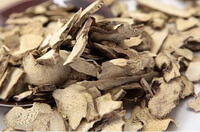 Brief Introduction: Rhizoma Dioscoreae Septemlobae is the dried rhizome of Dioscorea septemloba Thunb. or Dioscorea futschauensis Uline. It is used (1) to drain damp-turbidity in conditions such as chyluria and stranguria with turbid urine, and (2) to dispel wind-damp in rheumatic arthralgia. Common names include Rhizoma Dioscoreae Septemlobae, Seven-lobed Yam Rhizome, Severely lobed Yam Rhizome, and Mián Bì Xiè.
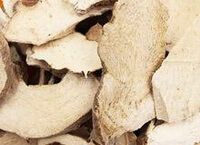 Brief Introduction: Rhizoma Dioscoreae Hypoglaucae is the dried rhizome of Dioscorea hypoglauca Palib. Its clinical applications are similar to those of Rhizoma Dioscoreae Septemlobae. Common names include Rhizoma Dioscoreae Hypoglaucae, Hypoglaucous Yam Rhizome, and Fěn Bì Xiè.
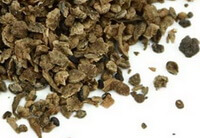 Brief Introduction: Fructus Kochiae is the dried, ripe fruit of Kochia scoparia (L.) Schrad. It is used to clear damp-heat—particularly in cases of bladder damp-heat with stranguria—and to relieve itching in urticaria, eczema, and pruritus. Common names include Fructus Kochiae, Belvedere Fruit, and Dì Fū Zǐ.
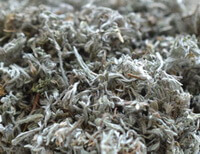 Brief Introduction: Herba Artemisiae Scopariae is the dried young shoot or flowering top of Artemisia scoparia Waldst. et Kit. or Artemisia capillaris Thunb., used to eliminate damp-heat in the liver and gallbladder for the treatment of jaundice and eczema. The herb is commonly known as Herba Artemisiae Scopariae, Virgate Wormwood Herb, or Yīn Chén.
 Brief Introduction: The herb Herba Sedi is the fresh or dried entire plant of Sedum sarmentosum Bunge (family Crassulaceae), used to remove damp-heat and counteract toxins for the treatment of acute and chronic hepatitis, jaundice, boils, and sores. The herb is commonly known as Herba Sedi, Stringy Stonecrop Herb, Chuí Pén Cǎo.
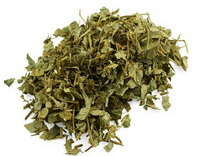 Brief Introduction: The herb Herba Lysimachiae is the dried entire plant of Lysimachia christinae Hance (family Primulaceae), used (1).as a cholagogue, lithagogue, and diuretic for the treatment of acute jaundice, biliary and urinary calculi, and (2).to relieve toxicity and reduce swelling in cases of boils and venomous snake-bite. The herb is commonly known as Herba Lysimachiae, Christina Loosetrife, Jīn Qián Cǎo.
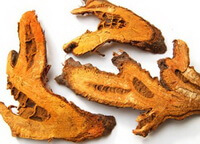 Brief Introduction: The herb Rhizoma Polygoni Cuspidati is the dried rhizome of giant knotweed, Polygonum cuspidatum Sieb.et Zucc (family Polygonaceae), used (1).to clear heat, counteract toxins, and promote bile flow in cases of hepatitis, jaundice, dysentery, bladder damp-heat, and lung heat with cough, (2).to activate blood and remove stasis for treating amenorrhea and traumatic injuries, and (3).externally for burns and venomous snake-bite. The herb is commonly known as Rhizoma Polygoni Cuspidati, Giant Knotweed Rhizome, Hǔ Zhànɡ.