✵TCM herbalism is also known as the pharmaceutics of Traditional Chinese Medicine or Chinese pharmaceutics. It is the branch of health science dealing with the preparation, dispensing, and proper utilization of Chinese herbs. It is primarily composed of Introduction to Chinese Medicinals, Classification of Chinese Herbs, Formulas, and Patent Medicines.
Dispelling Internal Cold Herbs
Introduction: Dispelling Internal Cold Herbs: —also known as interior-warming herbs—are agents or substances that warm the interior and expel internal cold; they are also referred to as cold-expelling herbs. Most interior-warming herbs are pungent in flavor and hot or warm in nature, and possess warming and cold-dispelling actions.
Interior-warming herbs are predominantly hot or warm in property and pungent in flavor. They function to warm the interior and dispel internal cold, restore depleted Yang, warm the meridians and relieve pain, among others. These herbs are primarily indicated for cold syndromes and Yang-deficiency syndromes—especially heart-kidney Yang depletion. They are contraindicated in cases of excess-heat syndrome, Yin deficiency with ascending fire (excessive fire from Yin deficiency), or blood and body-fluid deficiency. Use with caution during pregnancy or in hot weather.
Representative herbs in this category include Cortex Cinnamoni (Ròu Guì), Rhizoma Zingiberis (Gàn Jiānɡ), and other herbs including Pericarpium Zanthoxyli (Huā Jiāo), Fructus Evodiae (Wú Zhū Yú), Fructus Piperis Longi (Bì Bá), Flos Caryophylli (Dīnɡ Xiānɡ), Rhizoma Alpiniae Officinarum (Gāo Liánɡ Jiānɡ), Fructus Foeniculi (Xiǎo Huí Xiānɡ), Fructus Litseae (Bì Chénɡ Qié, Shān Hú Jiāo), and Piper nigrum (Hú Jiāo). Among these, Piper nigrum (Hú Jiāo) is introduced the "Popular Herbs" section.
✵As of January 1, 2024, this category comprises a total of [9] commonly used TCM herbs derived from [14] related plant species. Each of these Dispelling Internal Cold Herbs is briefly introduced separately.
Cortex Cinnamoni (Cassia Bark)
Brief Introduction:Cortex Cinnamomi is the dried stem bark of Cinnamomum cassia Presl. It is used (1) to warm the kidneys in the treatment of impotence and chronic diarrhea with cold limbs; (2) to alleviate pain by dispelling cold in cases of epigastric and abdominal pain due to cold invasion or deficiency-cold; and (3) to promote menstruation in amenorrhea and dysmenorrhea. The herb is commonly known as Cortex Cinnamomi, Cassia Bark, or Ròu Guì.
Rhizoma Zingiberis (Dried Ginger)
Brief Introduction:Rhizoma Zingiberis is the dried rhizome of Zingiber officinale (Willd.) Rosc. It is used (1) to warm the spleen and stomach for relieving nausea, vomiting, abdominal pain, and diarrhea due to spleen- and stomach-deficiency-cold, and (2) to warm the lung for treating chronic cough with thin, white, foamy sputum. The herb is commonly known as Rhizoma Zingiberis, Dried Ginger, or Gàn Jiānɡ.
Pericarpium Zanthoxyli (Prickly-ash Peel)
Brief Introduction:Pericarpium Zanthoxyli is the dried ripe pericarp of Zanthoxylum schinifolium Sieb. et Zucc. or Zanthoxylum bungeanum Maxim. It is used (1) to warm the stomach for treating gastralgia and dyspepsia due to cold; (2) as an anthelmintic (specifically, an ascaricide); and (3) externally for eczema and pruritus. The herb is commonly known as Pericarpium Zanthoxyli, Prickly Ash Peel, or Huā Jiāo.
Fructus Evodiae (Evodia Fruit)
Brief Introduction:Fructus Evodiae is the dried nearly mature fruit of Evodia rutaecarpa (Juss.) Benth., Evodia rutaecarpa (Juss.) Benth. var. officinalis (Dode) Huang, or Evodia rutaecarpa (Juss.) Benth. var. bodinieri (Dode) Huang. It is used to warm the stomach and relieve pain in cases of gastralgia, abdominal pain, acid regurgitation, and vomiting. The herb is commonly known as Fructus Evodiae, Evodia Fruit, or Wú Zhū Yú.
Fructus Piperis Longi (Long Pepper)
Brief Introduction:Fructus Piperis Longi is the dried nearly ripe or ripe fruit-spike of Piper longum L., used to warm the stomach and treat cold-induced epigastric pain. It is commonly known as Fructus Piperis Longi, Long Pepper, or Bì Bá.
Flos Caryophylli (Cloves)
Brief Introduction:Flos Caryophylli is the dried flower bud of Eugenia caryophyllata Thunb., used (1) to warm the stomach and relieve vomiting and hiccups due to cold, and (2) to warm the kidney and treat impotence. It is commonly known as Flos Caryophylli, Cloves, or Dīnɡ Xiānɡ.
Brief Introduction:Rhizoma Alpiniae Officinarum is the dried rhizome of Alpinia officinarum Hance, used to warm the stomach, relieve gastralgia, and alleviate vomiting caused by cold. It is commonly known as Rhizoma Alpiniae Officinarum, Lesser Galangal Rhizome, or Gāo Liáng Jiāng.
Fructus Foeniculi (Fennel Fruit)
Brief Introduction:Fructus Foeniculi is the dried fruit of Foeniculum vulgare Mill., used to dispel cold, regulate Qi flow, and relieve pain—particularly for cold-induced lower abdominal pain and distending pain in the testes. It is commonly known as Fructus Foeniculi, Fennel Fruit, or Xiǎo Huí Xiānɡ.
Fructus Litseae (Mountain Spicy Fruit)
Brief Introduction:Fructus Litseae is the dried, ripe fruit of Litsea cubeba (Lour.) Pers., used to warm the stomach for relieving vomiting, and alleviate epigastric and abdominal pain caused by cold. It is commonly known as Fructus Litseae, Mountain Spicy Fruit, or Bì Chéng Qié.

 ✵TCM herbalism is also known as the pharmaceutics of Traditional Chinese Medicine or Chinese pharmaceutics. It is the branch of health science dealing with the preparation, dispensing, and proper utilization of Chinese herbs. It is primarily composed of Introduction to Chinese Medicinals, Classification of Chinese Herbs, Formulas, and Patent Medicines.
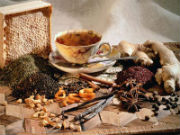 Introduction: Dispelling Internal Cold Herbs: —also known as interior-warming herbs—are agents or substances that warm the interior and expel internal cold; they are also referred to as cold-expelling herbs. Most interior-warming herbs are pungent in flavor and hot or warm in nature, and possess warming and cold-dispelling actions.
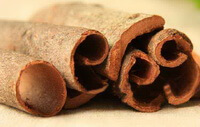 Brief Introduction: Cortex Cinnamomi is the dried stem bark of Cinnamomum cassia Presl. It is used (1) to warm the kidneys in the treatment of impotence and chronic diarrhea with cold limbs; (2) to alleviate pain by dispelling cold in cases of epigastric and abdominal pain due to cold invasion or deficiency-cold; and (3) to promote menstruation in amenorrhea and dysmenorrhea. The herb is commonly known as Cortex Cinnamomi, Cassia Bark, or Ròu Guì.
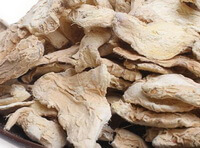 Brief Introduction: Rhizoma Zingiberis is the dried rhizome of Zingiber officinale (Willd.) Rosc. It is used (1) to warm the spleen and stomach for relieving nausea, vomiting, abdominal pain, and diarrhea due to spleen- and stomach-deficiency-cold, and (2) to warm the lung for treating chronic cough with thin, white, foamy sputum. The herb is commonly known as Rhizoma Zingiberis, Dried Ginger, or Gàn Jiānɡ.
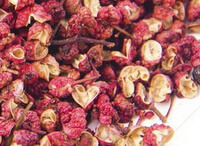 Brief Introduction: Pericarpium Zanthoxyli is the dried ripe pericarp of Zanthoxylum schinifolium Sieb. et Zucc. or Zanthoxylum bungeanum Maxim. It is used (1) to warm the stomach for treating gastralgia and dyspepsia due to cold; (2) as an anthelmintic (specifically, an ascaricide); and (3) externally for eczema and pruritus. The herb is commonly known as Pericarpium Zanthoxyli, Prickly Ash Peel, or Huā Jiāo.
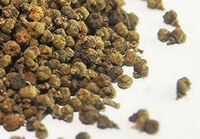 Brief Introduction: Fructus Evodiae is the dried nearly mature fruit of Evodia rutaecarpa (Juss.) Benth., Evodia rutaecarpa (Juss.) Benth. var. officinalis (Dode) Huang, or Evodia rutaecarpa (Juss.) Benth. var. bodinieri (Dode) Huang. It is used to warm the stomach and relieve pain in cases of gastralgia, abdominal pain, acid regurgitation, and vomiting. The herb is commonly known as Fructus Evodiae, Evodia Fruit, or Wú Zhū Yú.
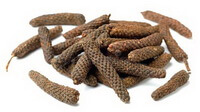 Brief Introduction: Fructus Piperis Longi is the dried nearly ripe or ripe fruit-spike of Piper longum L., used to warm the stomach and treat cold-induced epigastric pain. It is commonly known as Fructus Piperis Longi, Long Pepper, or Bì Bá.
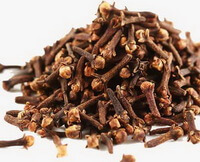 Brief Introduction: Flos Caryophylli is the dried flower bud of Eugenia caryophyllata Thunb., used (1) to warm the stomach and relieve vomiting and hiccups due to cold, and (2) to warm the kidney and treat impotence. It is commonly known as Flos Caryophylli, Cloves, or Dīnɡ Xiānɡ.
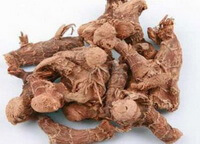 Brief Introduction: Rhizoma Alpiniae Officinarum is the dried rhizome of Alpinia officinarum Hance, used to warm the stomach, relieve gastralgia, and alleviate vomiting caused by cold. It is commonly known as Rhizoma Alpiniae Officinarum, Lesser Galangal Rhizome, or Gāo Liáng Jiāng.
 Brief Introduction: Fructus Foeniculi is the dried fruit of Foeniculum vulgare Mill., used to dispel cold, regulate Qi flow, and relieve pain—particularly for cold-induced lower abdominal pain and distending pain in the testes. It is commonly known as Fructus Foeniculi, Fennel Fruit, or Xiǎo Huí Xiānɡ.
  Brief Introduction: Fructus Litseae is the dried, ripe fruit of Litsea cubeba (Lour.) Pers., used to warm the stomach for relieving vomiting, and alleviate epigastric and abdominal pain caused by cold. It is commonly known as Fructus Litseae, Mountain Spicy Fruit, or Bì Chéng Qié.